
Reading to learn
Upper elementary
By second grade, students who can decode are ready to become readers. Reading Wings is built for exactly that transition — a research-based reading curriculum for upper elementary grades that develops the full range of skills developing readers need: vocabulary, comprehension, fluency, oral language, and written expression, using both fiction and nonfiction texts, including whole novels.
The same evidence-based instructional framework that runs through SFA's entire PreK–adolescent curriculum continues here.

Inside a Reading Wings lesson
Vocabulary development
Specific and technical vocabulary is taught explicitly before and during reading, tied directly to the texts students are reading. Vocabulary is built through discussion, reading, and writing.
Reading comprehension — The Savvy Reader
Four core comprehension strategies — clarifying, questioning, predicting, and summarizing — introduced through engaging video and explicit instruction, then practiced in every subsequent lesson, building toward independent, flexible strategic reading.
Knowledge building through real texts
Students read whole novels, age-appropriate fiction, and carefully sequenced nonfiction chosen to build knowledge and vocabulary across a wide range of topics. The background knowledge research shows is essential to comprehension is built deliberately, not left to chance.
Fluency
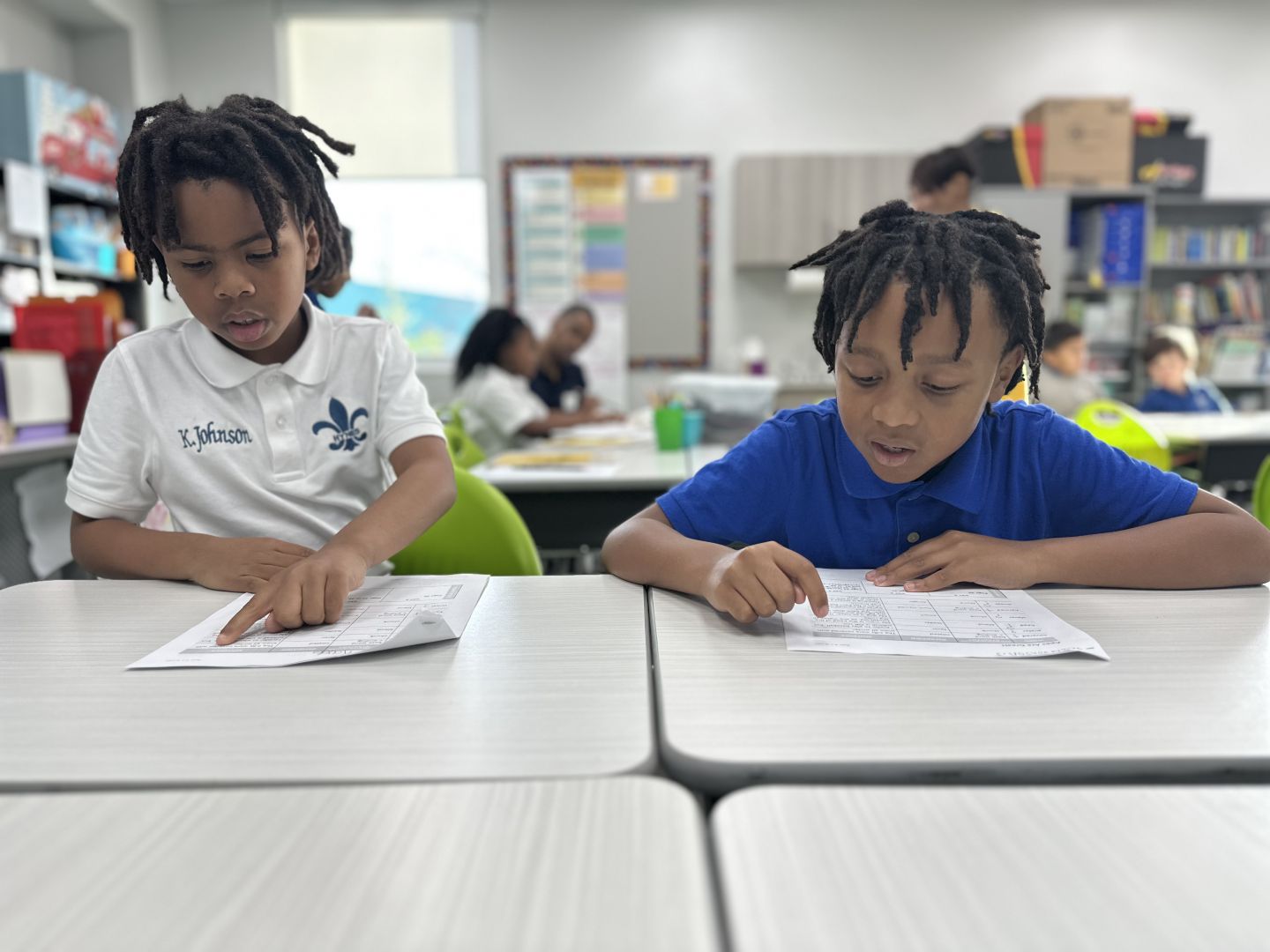
Oral reading, partner reading, and repeated reading develop fluency as an integrated part of every lesson.
Written expression
Daily writing tied to the reading — from short responses to extended writing — develops students' ability to communicate ideas clearly and builds the reading-writing connection that strengthens both skills.
Comprehension skills
A structured, scaffolded progression builds skills such as drawing conclusions, comparing and contrasting, and determining cause and effect, moving from introduction through independent use across the lesson cycle.
What a Reading Wings classroom looks like
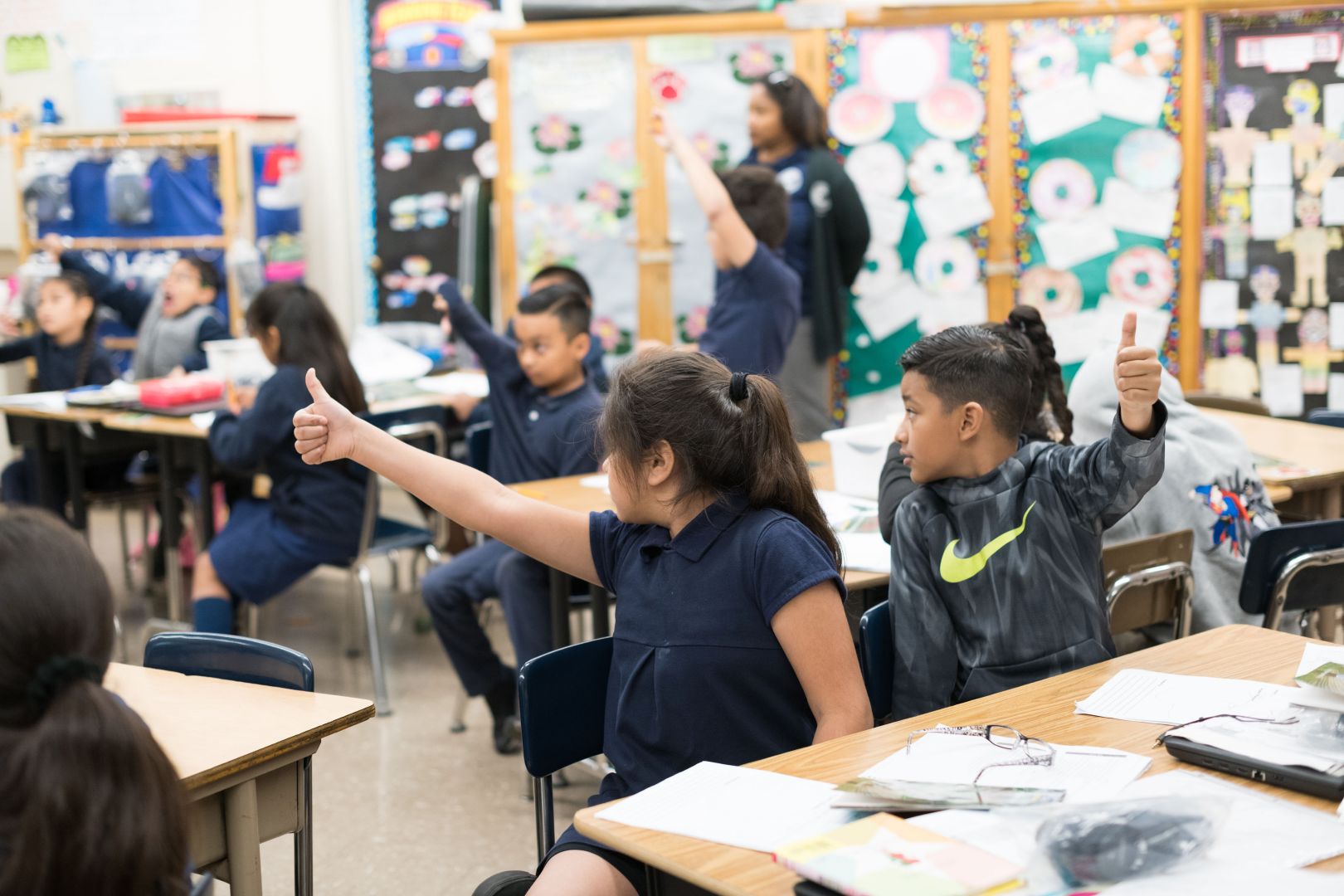
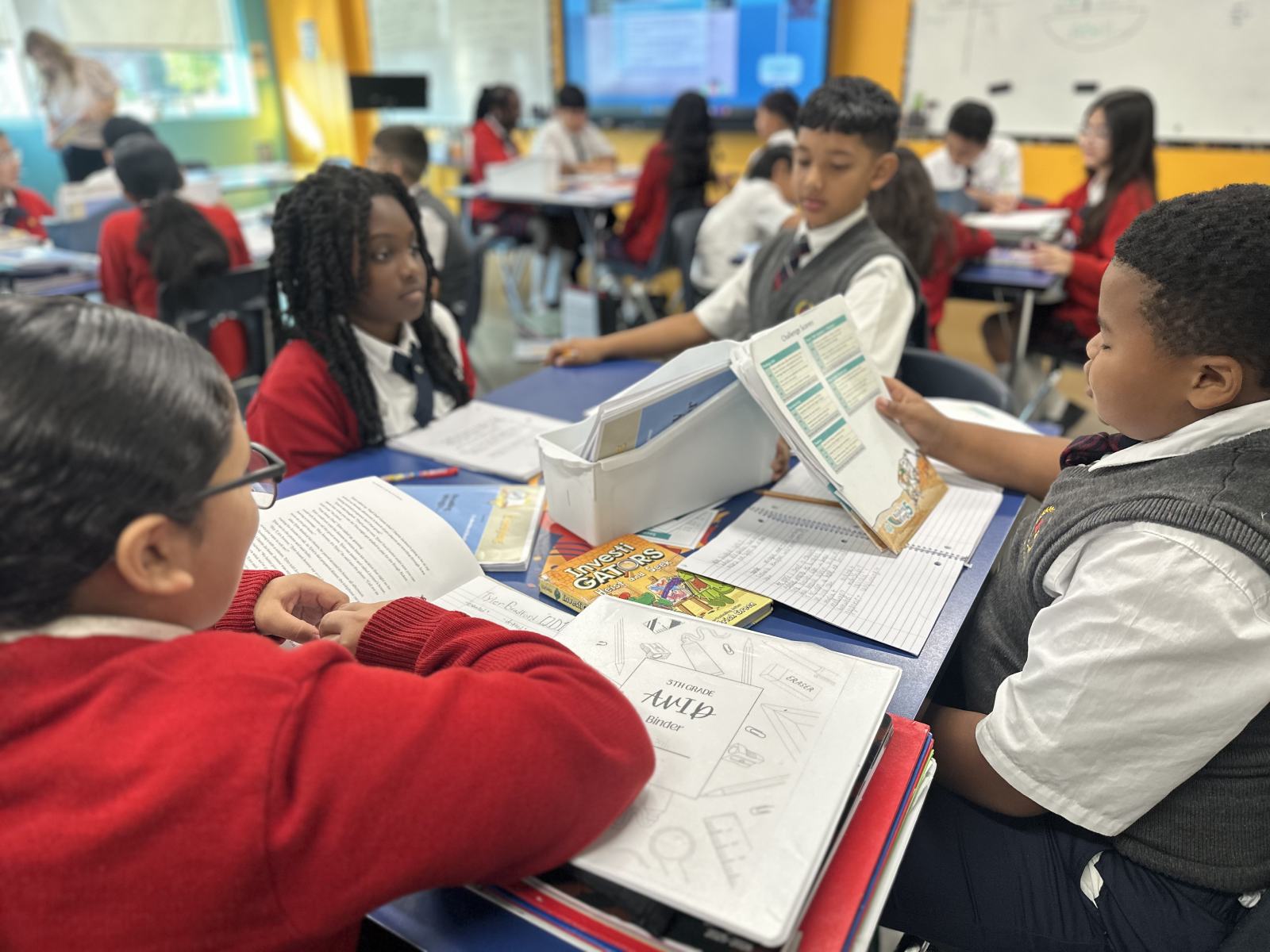
Every lesson follows a six-day cycle organized around a central text. Students discuss, analyze, predict, question, and write about what they're reading in structured partner and team conversations that develop both comprehension and academic language simultaneously.
The classroom is active and purposeful. Partner reading, team discussion, random reporter, and Think-Pair-Share keep every student engaged throughout the lesson. Teachers deliver explicit instruction, then release responsibility to students through structured cooperative learning — so students are doing the cognitive work, not watching the teacher do it.

"After 21+ years, I think the best is when the student feels comfortable enough to own their learning. My advice is to trust the process and implement with fidelity every single day. It's amazing how much students learn."
Mandy M.
SFA partner school
How Reading Wings
connects to the rest of SFA
Students enter Reading Wings with a strong phonics foundation and confident decoding skills from Reading Roots. They leave prepared for the demands of adolescent literacy in The Reading Edge.
Learn more: SFA: Reading Roots | SFA: The Reading Edge | Curriculum Overview

Ready to bring SFA's complete literacy curriculum to your school?
Start a conversation to learn how the SFA model works, what implementation looks like, and whether your school qualifies for scholarship support.